
Cold Chain Monitoring for Global Logistics & Transportation
How to Maintain Shipment Integrity Across Borders, Modes & Time Zones
Global logistics networks are under constant pressure to deliver temperature-sensitive goods across continents without compromising product integrity.
From vaccines moving across international borders to perishable food transported across long-haul routes, maintaining consistent environmental conditions throughout transit is one of the most complex challenges in modern supply chains.
A single temperature excursion during transit—often lasting just a few hours—can render an entire shipment unusable. In pharmaceuticals, this can mean regulatory non-compliance and patient safety risks. In food logistics, it leads to spoilage, financial loss, and brand damage.
As supply chains become more distributed and multi-modal, traditional tracking systems fall short in providing the visibility required to manage these risks.
Industry Insight
Global studies indicate that nearly 15–20% of temperature-sensitive shipments experience at least one temperature excursion during transit.
Cold chain monitoring systems address this gap by combining environmental sensing, GPS tracking, and cloud-based analytics to deliver real-time visibility across the entire shipment lifecycle.
What is Cold Chain Monitoring in Global Logistics
Definition
Cold chain monitoring in global logistics refers to the continuous tracking of environmental conditions—such as temperature and humidity—along with shipment location during transportation and storage.
Unlike traditional logistics tracking, which focuses only on location, cold chain monitoring provides context—ensuring that goods are not only delivered on time but also maintained within validated environmental ranges.
This is critical for industries such as:
- Pharmaceuticals (vaccines, biologics)
- Food & beverage (dairy, frozen goods)
- Biotechnology and clinical trials
Real Data Insight
Industry data suggests that over 25% of vaccine losses globally are linked to failures in cold chain logistics.
How It Works
A modern cold chain monitoring system operates as a connected digital infrastructure that tracks both environmental conditions and shipment movement in real time.
Sensors and IoT-enabled devices are placed inside cargo containers, pallets, or transport vehicles. These devices continuously capture temperature, humidity, shock events, and location data.
The data is transmitted via cellular or satellite networks to a centralized cloud platform, enabling global visibility regardless of geography.
The monitoring platform provides live dashboards that display shipment routes, environmental trends, and risk indicators. When deviations occur—such as temperature excursions or unexpected route delays—automated alerts are triggered instantly.
This enables logistics teams to take corrective actions, such as rerouting shipments, adjusting cooling systems, or coordinating with on-ground teams.
Additionally, the system generates tamper-proof, time-stamped reports required for regulatory compliance and performance analysis.
Why Cold Chain Monitoring is Critical for Global Logistics Companies
Key Risks Without Monitoring
Without real-time monitoring, logistics providers operate with limited visibility and delayed response capabilities.
Temperature deviations during transit often go unnoticed until delivery, by which point the damage is irreversible. This is especially critical in pharmaceutical logistics, where product degradation may not be visibly detectable.
Handling risks such as improper loading, door openings, or equipment failure further increase the likelihood of temperature excursions.
Manual tracking systems fail to capture real-time events, leading to incomplete records and compliance gaps.
Impact on Supply Chain Efficiency
Cold chain monitoring transforms logistics operations from reactive to proactive.
Real-time visibility enables logistics teams to:
- Detect and respond to issues during transit
- Optimize routes based on environmental risk
- Improve coordination between stakeholders
- Reduce delays and product losses
It also enhances transparency across the supply chain, improving trust between manufacturers, logistics providers, and end customers.
Key Challenges in Global Logistics & Transportation
Lack of Shipment Visibility
Traditional tracking systems provide location updates but lack environmental context. This creates blind spots where shipments may be compromised without any indication.
Complex Multi-Modal Supply Chains
Global logistics involves multiple transport modes—road, air, and sea—along with several handoff points.
Each transition increases the risk of environmental deviations, especially when monitoring systems are not integrated across stakeholders.
Cross-Border Compliance Requirements
International shipments must comply with varying regulatory standards such as GDP, WHO guidelines, and regional import/export regulations.
Maintaining consistent documentation and environmental control across jurisdictions is challenging without automated monitoring systems.
How IoT Monitoring Improves Global Logistics Operations
Real-Time Shipment Monitoring
IoT-enabled devices provide continuous tracking of both environmental conditions and location, enabling full visibility across the shipment lifecycle.
Centralized dashboards allow logistics teams to monitor multiple shipments across regions from a single interface.
Automated Alerts
Automated alert systems notify stakeholders instantly when deviations occur, enabling rapid response and reducing the risk of product loss.
Data Logging & Predictive Insights
Advanced systems not only store data but also analyze trends to identify recurring risks such as route-based temperature fluctuations or seasonal variations.
This enables predictive decision-making and continuous optimization of logistics operations.
Mindlabs Monitoring Devices for Global Logistics
Mindlabs Anchor (Warehouse & Storage Monitoring)
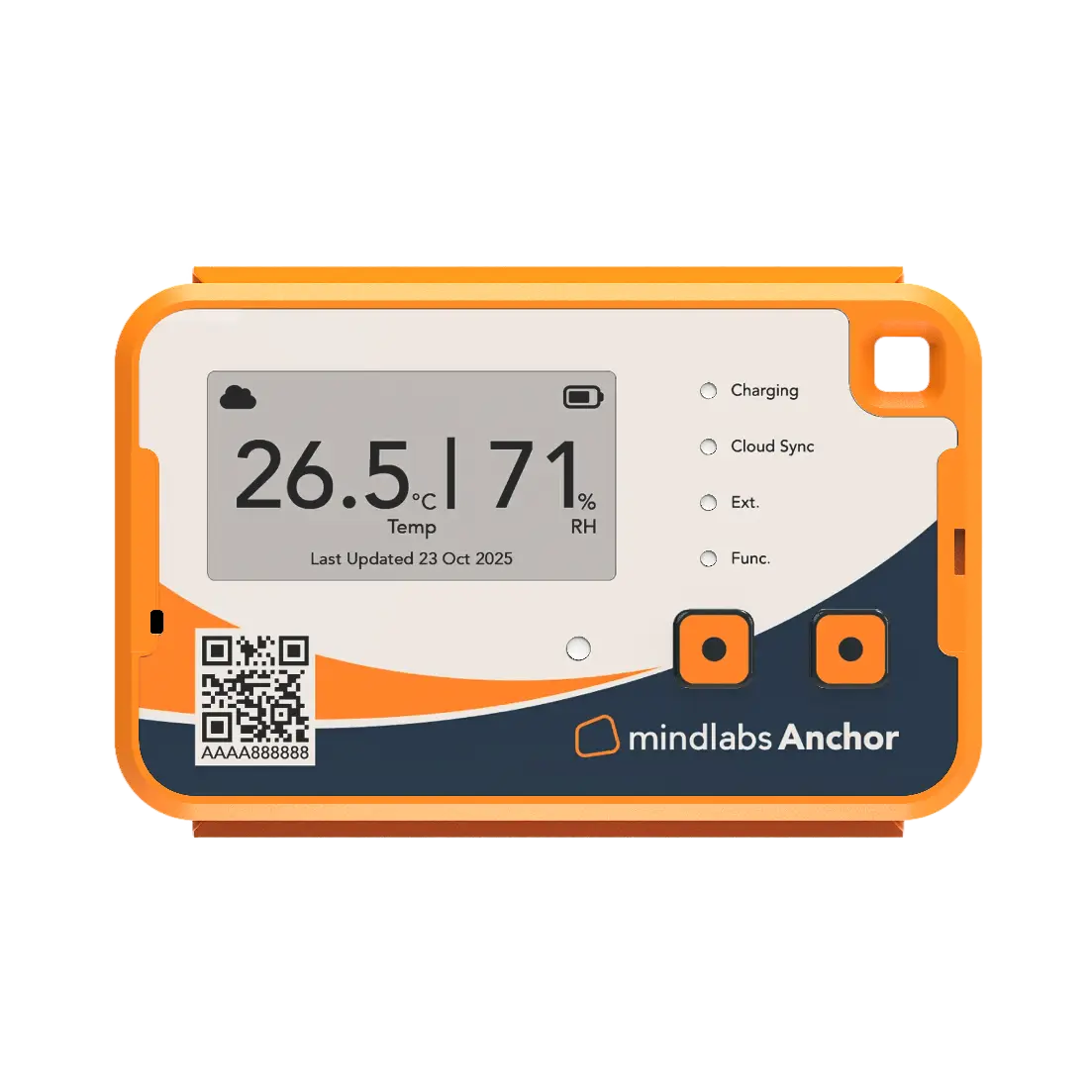
Mindlabs Anchor ensures that storage environments such as warehouses and distribution centers maintain consistent environmental conditions before and after transit.
- Multi-parameter environmental monitoring
- Real-time visibility with on-device display
- 4G & Wi-Fi connectivity
- Automated alerts and secure data logging
Mindlabs Go (Real-Time Shipment Tracking)
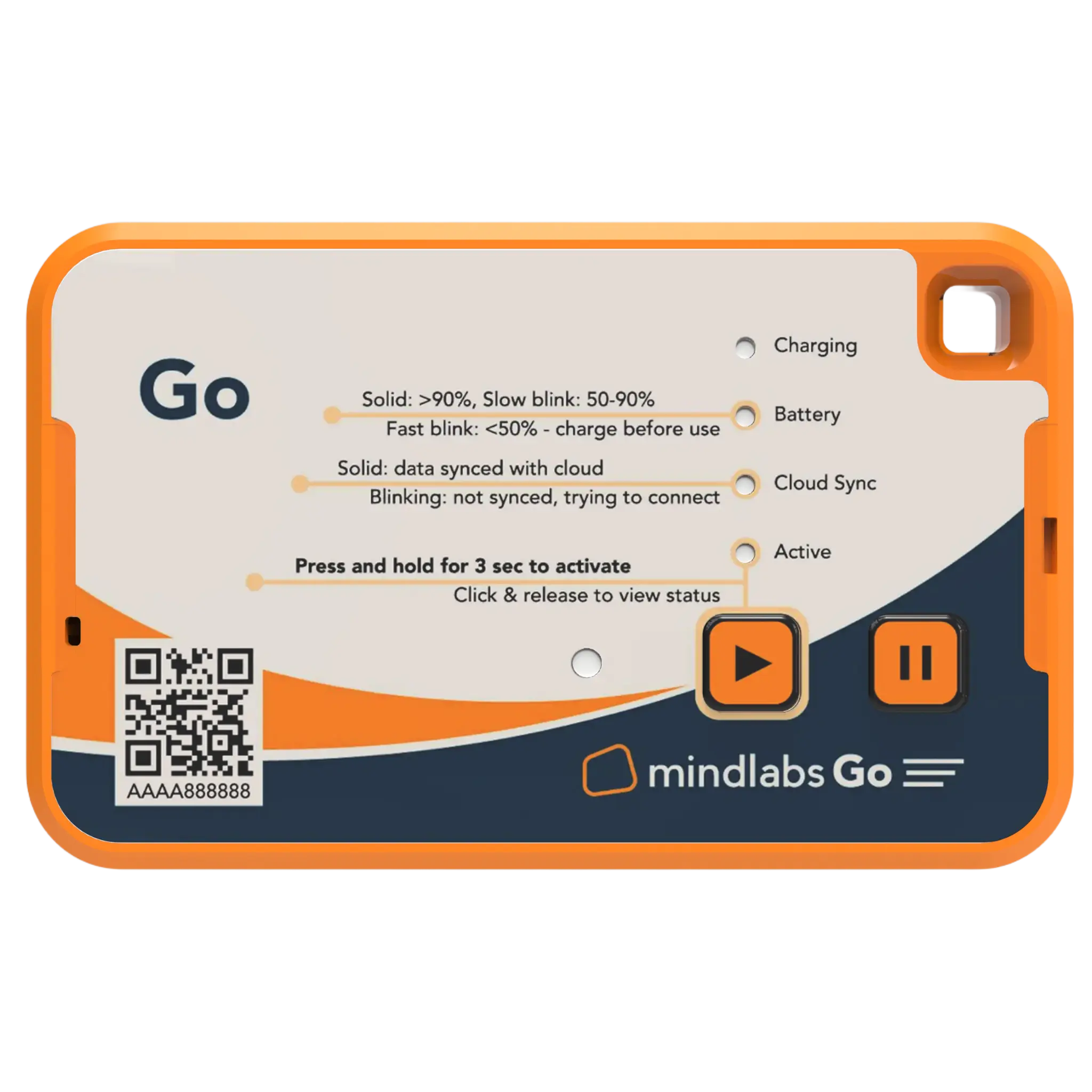
Mindlabs Go is designed for end-to-end shipment monitoring, combining GPS tracking with environmental sensing for complete visibility during transit.
- Real-time GPS tracking
- Temperature and humidity monitoring
- Shock and tamper detection
- Global connectivity with long battery life
- Secure, audit-ready data logs
Key Features to Look for in a Logistics Monitoring System
A robust cold chain monitoring solution should include:
- Continuous real-time tracking
- Multi-parameter environmental sensing
- Automated alert systems
- Centralized monitoring dashboards
- Compliance-ready reporting and analytics
Best Practices for Monitoring Global Logistics Shipments
Monitoring Setup
Deploy monitoring devices across all critical points, including:
- Shipping containers
- Cargo pallets
- Transport vehicles
- Warehouses and distribution centers
Ensure proper placement to capture accurate environmental data.
Documentation and Compliance
Maintain comprehensive documentation such as:
- Shipment logs
- Calibration certificates
- Compliance and audit reports
Operational Monitoring
Establish clear protocols for responding to alerts, train logistics teams, and conduct regular system checks to ensure consistent performance.
Key Benefits for Global Logistics Companies
Advanced cold chain monitoring systems enable:
- End-to-end shipment visibility
- Reduced product loss and waste
- Improved coordination across stakeholders
- Faster response to in-transit risks
- Simplified compliance and audit readiness
Explore Mindlabs' transport & fleet monitoring and cold chain monitoring solutions for global logistics operations.
Conclusion
Cold chain monitoring has become a foundational capability in global logistics, especially as supply chains grow more complex and regulatory expectations increase.
Organizations can no longer rely on delayed data or manual tracking systems. Real-time visibility, automated alerts, and data-driven insights are essential for ensuring shipment integrity.
By adopting IoT-enabled monitoring solutions, logistics providers can minimize risks, improve operational efficiency, and ensure that temperature-sensitive products reach their destination safely—regardless of distance or complexity.