Environmental Monitoring Systems for Hospitals and Medical Storage
How to Prevent Critical Losses and Ensure Patient Safety in Healthcare Environments
Hospitals operate in high-stakes environments where the integrity of stored medical products directly impacts patient outcomes.
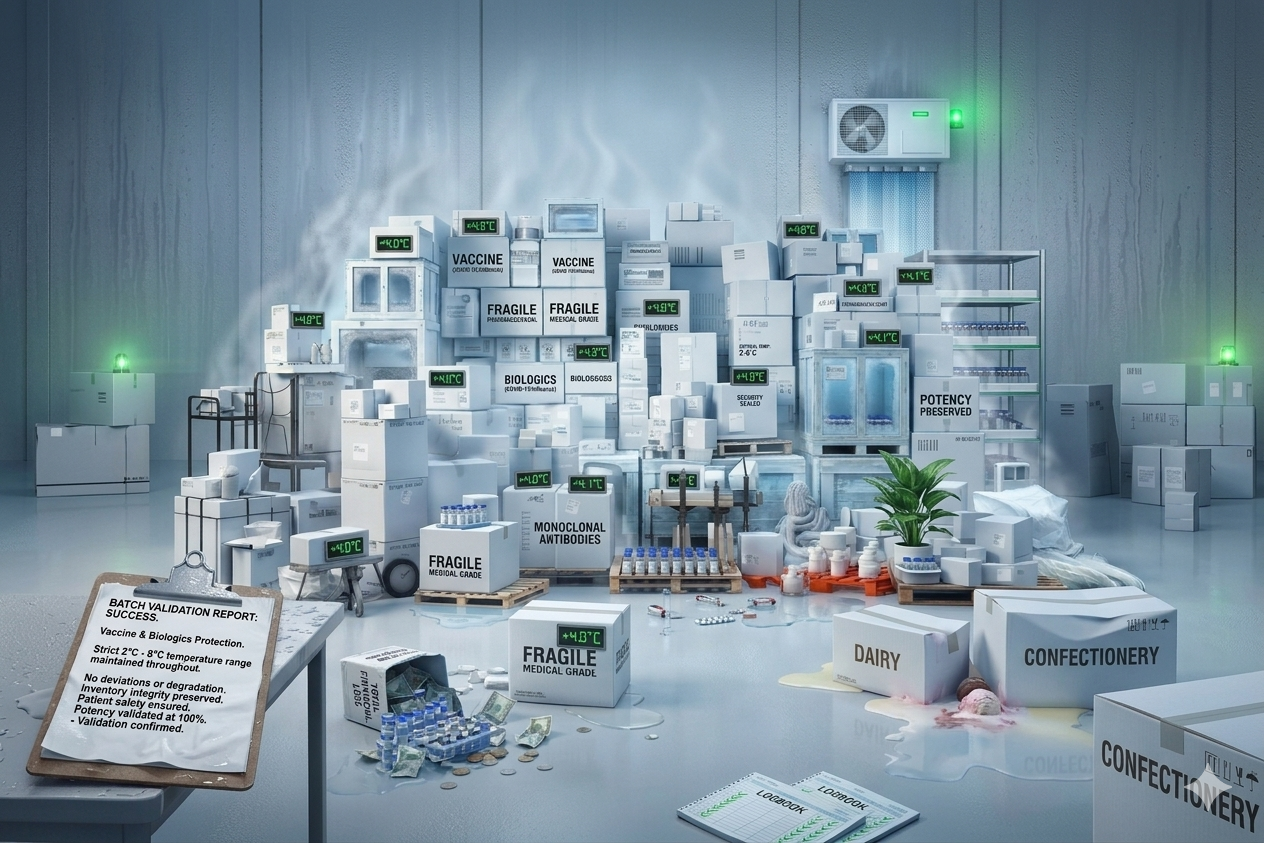
Vaccines, blood units, insulin, biologics, and laboratory samples are highly sensitive to environmental conditions. Even a short-lived temperature deviation inside a medical refrigerator or blood storage unit can compromise their effectiveness—often without any visible indication.
In large healthcare facilities, maintaining consistent environmental conditions across multiple departments—such as pharmacies, ICUs, laboratories, and blood banks—is operationally complex.
Industry Insight
A significant number of vaccine wastage incidents in healthcare facilities are linked to unnoticed temperature excursions caused by equipment failure or delayed detection.
Environmental Monitoring Systems (EMS) provide a continuous safety layer by tracking critical parameters in real time, enabling hospitals to detect deviations instantly and take corrective action before patient safety is affected.
What is Hospital Environmental Monitoring
Definition
Hospital environmental monitoring refers to the continuous tracking of environmental conditions across critical medical storage and operational areas within healthcare facilities.
Unlike basic temperature logging, modern systems monitor multiple parameters simultaneously, including:
- Temperature
- Humidity
- Differential pressure (for cleanrooms and isolation wards)
- CO₂ and oxygen levels (for specialized environments)
These systems ensure that sensitive medical products remain within validated storage conditions defined by healthcare standards.
Real Data Insight
Studies show that even a single temperature excursion can render certain vaccines ineffective, requiring complete disposal despite no visible damage.
How It Works
A hospital environmental monitoring system functions as a centralized digital infrastructure that provides real-time visibility across multiple departments.
Sensors and IoT-enabled data loggers are installed in refrigerators, freezers, laboratories, cleanrooms, and storage units. These devices continuously capture environmental data with high precision.
The data is transmitted via secure networks such as Wi-Fi, Ethernet, or cellular connectivity to a centralized monitoring platform.
The platform provides a unified dashboard where hospital staff can monitor conditions across all locations. When parameters exceed defined thresholds, automated alerts are triggered instantly via SMS, email, or mobile applications.
This enables rapid intervention—such as relocating stored items, adjusting equipment settings, or initiating maintenance procedures.
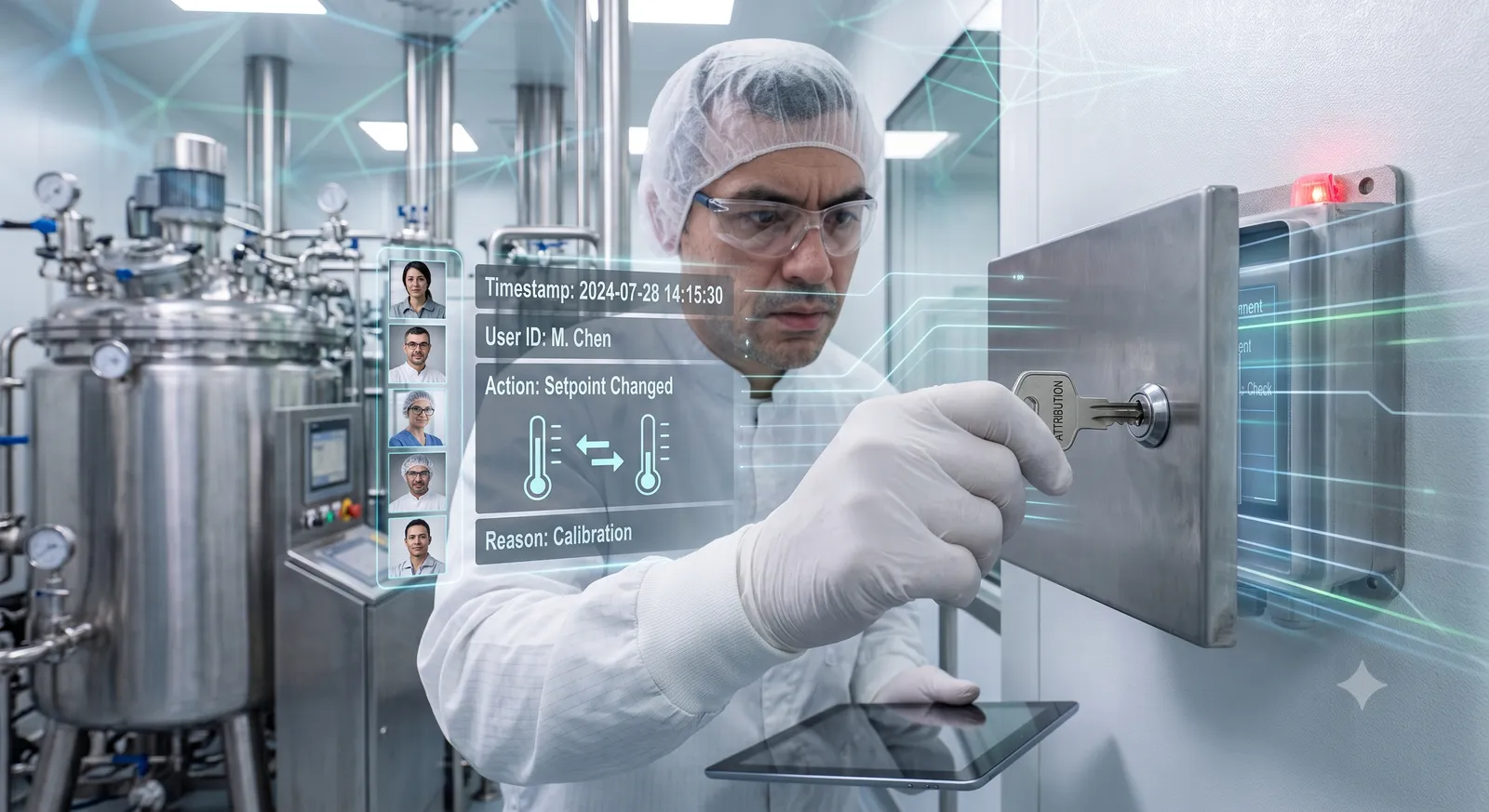
Additionally, the system generates time-stamped, audit-ready reports required for compliance and inspections.
Why Environmental Monitoring is Critical for Hospitals
Key Risks Without Monitoring
Without continuous monitoring, hospitals face risks that directly impact patient safety and operational reliability.
Temperature fluctuations can degrade vaccines and medicines, reducing their effectiveness. Blood units stored outside optimal conditions may become unusable, while laboratory samples can lose integrity, affecting diagnostic accuracy.
Manual monitoring introduces delays and inconsistencies, making it difficult to detect short-duration excursions that still cause damage.
Impact on Healthcare Compliance
Healthcare facilities must adhere to strict regulatory and operational standards, including:
- Vaccine storage and immunization guidelines
- Blood bank storage regulations
- Pharmacy storage standards
- Cleanroom and infection control protocols
Regulators increasingly require continuous monitoring with traceable digital records rather than manual logs.
A robust monitoring system ensures:
- Compliance with healthcare regulations
- Complete traceability of storage conditions
- Faster audit readiness
- Reduced risk of penalties and product loss
Key Challenges in Hospital Monitoring
Lack of Real-Time Visibility
Many hospitals still rely on periodic manual checks, which fail to provide continuous visibility. This creates gaps where critical deviations may go unnoticed.
Multiple Critical Monitoring Zones
Hospitals require monitoring across diverse environments, including:
- Vaccine refrigerators and freezers
- Blood banks
- Laboratories and diagnostic units
- Pharmacies
- Isolation rooms and cleanrooms
Managing all these areas without a centralized system increases complexity and risk.
Equipment Failures and Downtime
Refrigeration or HVAC failures can quickly impact storage conditions. Without real-time alerts, response delays can lead to irreversible product loss.
How IoT Improves Hospital Monitoring Systems
Real-Time Environmental Monitoring
IoT-enabled systems provide continuous monitoring across all hospital environments, enabling proactive risk management and remote visibility.
Automated Alerts
Instant alerts notify staff of any deviations, allowing immediate corrective actions and minimizing potential damage.
Data Logging & Compliance Automation
Automated data logging ensures accurate and tamper-proof records. These logs simplify compliance reporting and reduce administrative burden.
Mindlabs Monitoring Devices for Hospitals
Mindlabs Anchor (Hospital Storage Monitoring)
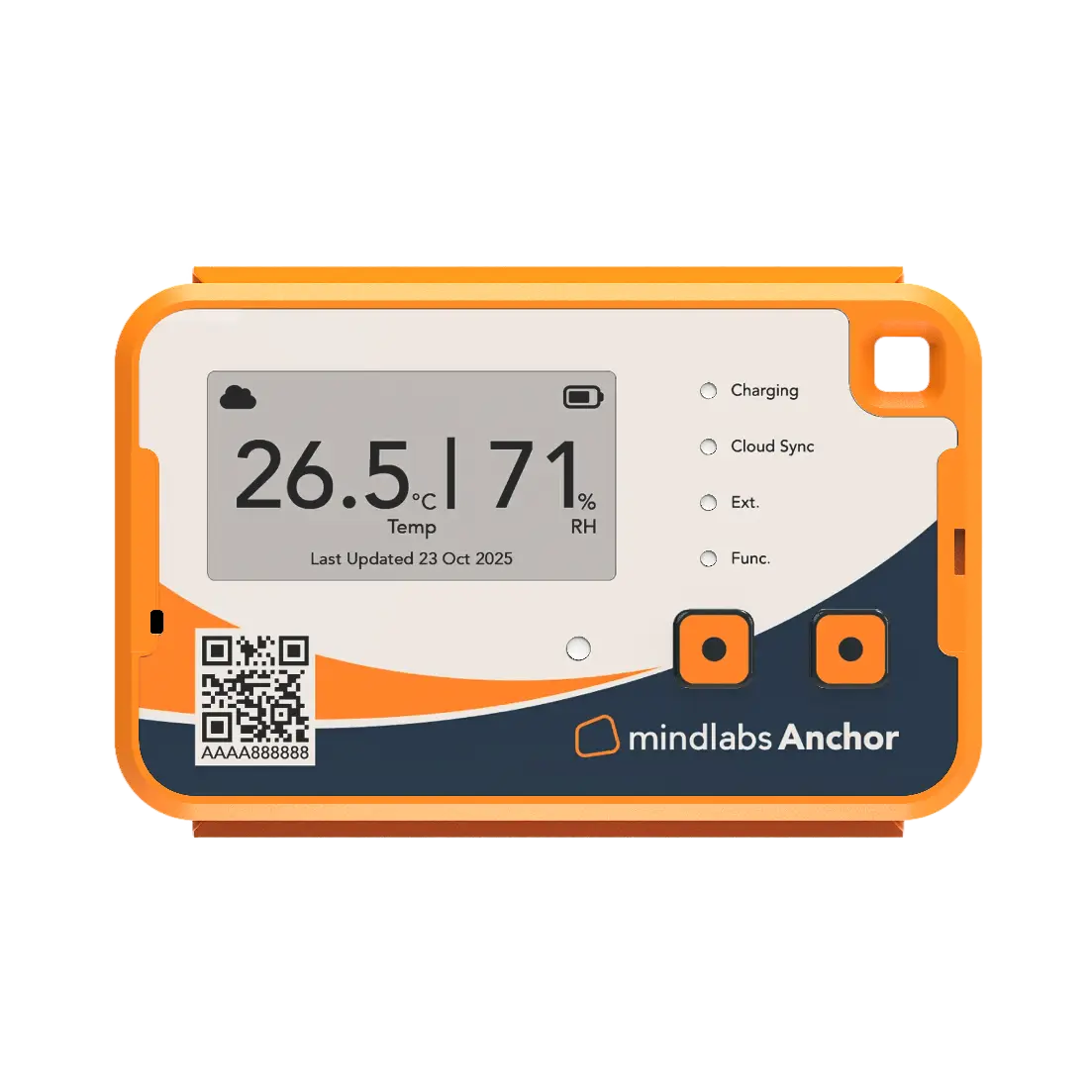
Mindlabs Anchor provides high-precision environmental monitoring across hospital storage and operational areas.
- Temperature and humidity monitoring
- Differential pressure tracking for cleanrooms
- Multi-sensor support (CO₂, O₂, etc.)
- 4G & Wi-Fi connectivity
- Real-time dashboard with alerts
- Secure, audit-ready data logging
Mindlabs Go (Medical Transport Monitoring)

Mindlabs Go ensures safe transport of medical products by combining environmental monitoring with real-time location tracking.
- Real-time GPS tracking
- Temperature and humidity monitoring
- Shock and tamper detection
- Global connectivity
- Long battery life
- Secure data logs for compliance
Key Features to Look for in a Hospital Monitoring System
An effective hospital monitoring solution should include:
- Continuous real-time monitoring
- Multi-parameter environmental tracking
- Automated alert systems
- Centralized dashboards for visibility
- Secure, compliance-ready data logging
Best Practices for Hospital Environmental Monitoring
Monitoring Setup
Install monitoring devices at all critical points, including:
- Vaccine refrigerators and freezers
- Blood storage units
- Laboratories and diagnostic areas
- Pharmacy storage rooms
- Cleanrooms and isolation wards
Ensure proper calibration and periodic validation.
Documentation and Compliance
Maintain essential records such as:
- Environmental logs
- Calibration certificates
- Compliance documentation and audit reports
Operational Monitoring
Define standard operating procedures for responding to alerts, conduct regular maintenance, and train staff to ensure consistent system performance.
Key Benefits for Healthcare Facilities
Advanced environmental monitoring systems enable:
- Improved patient safety and care quality
- Protection of critical medical products
- Reduced product loss and wastage
- Enhanced operational visibility
- Simplified compliance and audit readiness
See Mindlabs' hospital & ILR temperature monitoring solution for vaccine, blood bank, and pharmacy storage.
Conclusion
Environmental monitoring is a critical component of modern healthcare infrastructure, directly influencing patient safety and treatment effectiveness.
As hospitals manage increasingly complex operations and stricter regulatory requirements, manual monitoring is no longer sufficient.
IoT-enabled monitoring systems provide the real-time visibility, automation, and reliability needed to safeguard vaccines, blood, and medicines.
By implementing a robust monitoring strategy, healthcare facilities can reduce risks, ensure compliance, and deliver safe, high-quality care to patients.