Cold Chain Monitoring for Pharma:
How to Stay GDP Compliant Without the Guesswork
Pharmaceutical products such as vaccines, biologics, and temperature-sensitive medicines require strict environmental control throughout storage and transportation. In pharmaceutical logistics, even minor deviations in temperature or humidity can compromise product stability, reduce efficacy, and create serious GDP compliance risks.
India’s role as a global pharmaceutical hub makes cold chain monitoring even more critical. The country exports medicines to over 200 nations, and maintaining temperature integrity is essential to ensure product quality and regulatory compliance. However, studies indicate that nearly 20% of temperature-sensitive pharmaceutical shipments in India experience degradation due to gaps in cold chain infrastructure and monitoring.
Industry Insight
A significant percentage of pharma product losses globally are linked to temperature excursions during storage and transit.
Cold chain monitoring ensures that controlled conditions are maintained across the pharmaceutical supply chain, from manufacturing facilities and cold storage to transportation and final delivery. As regulatory expectations such as Good Distribution Practice (GDP) become stricter, companies are increasingly adopting IoT-enabled temperature monitoring systems that provide real-time visibility, automated alerts, and audit-ready records.
What is Cold Chain Monitoring
Definition
Cold chain monitoring refers to the continuous tracking of temperature, humidity, and environmental conditions during the storage and transportation of temperature-sensitive pharmaceutical products. It ensures that products remain within validated temperature ranges such as 2°C to 8°C for vaccines, -20°C for biologics, and 15°C to 25°C for controlled room temperature medicines.
This level of monitoring is essential because temperature-sensitive drugs can lose effectiveness without visible signs. Global health estimates suggest that up to 25% of vaccines are wasted due to failures in cold chain logistics, making reliable temperature monitoring systems critical.
How It Works
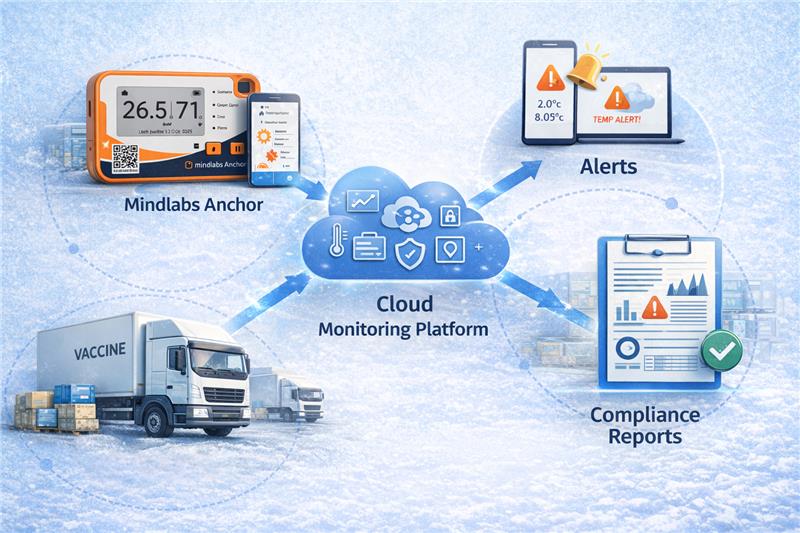
A pharmaceutical cold chain monitoring system operates through a connected ecosystem of sensors, data loggers, cloud platforms, and alert systems.
Sensors placed in cold rooms, refrigerators, warehouses, and transport vehicles continuously capture temperature and humidity data. This data is transmitted through Wi-Fi or cellular connectivity to centralized cloud platforms, enabling real-time monitoring across multiple locations.
The cloud dashboard provides complete visibility into storage and transit conditions. When temperature deviations occur, automated alerts are triggered instantly, allowing rapid intervention.
Real Data Insight
Industry studies show that nearly 12% of pharma shipments experience at least one temperature excursion event during transit.
Additionally, these systems generate secure, audit-ready reports that help organizations maintain GDP compliance and pass regulatory inspections.
Why Cold Chain Monitoring Is Important
Key Risks Without Monitoring
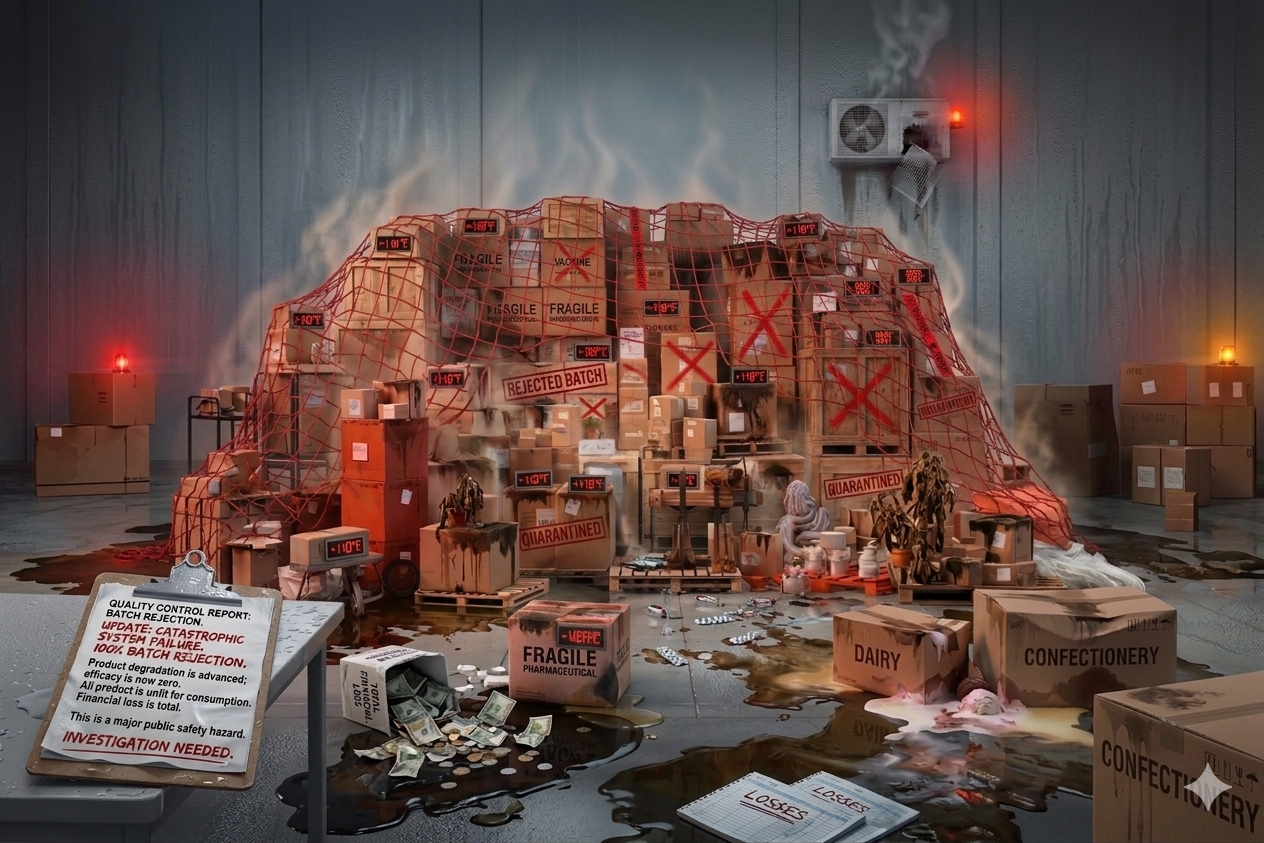
Without proper cold chain monitoring, pharmaceutical companies face serious risks that impact both product quality and patient safety. Temperature excursions can silently degrade medicines, making them ineffective or unsafe.
Equipment failures are a major cause of product loss. In several reported cases, refrigeration failures in storage facilities have led to the loss of vaccines worth millions due to delayed detection.
Manual monitoring further increases risk due to human error, with studies indicating error rates of up to 10–15% in manual temperature logging.
Impact on Compliance and Product Quality
Cold chain monitoring is essential for compliance with GDP, WHO guidelines, and regulatory frameworks such as CDSCO in India. Regulatory authorities now require continuous, verifiable temperature data rather than periodic manual logs.
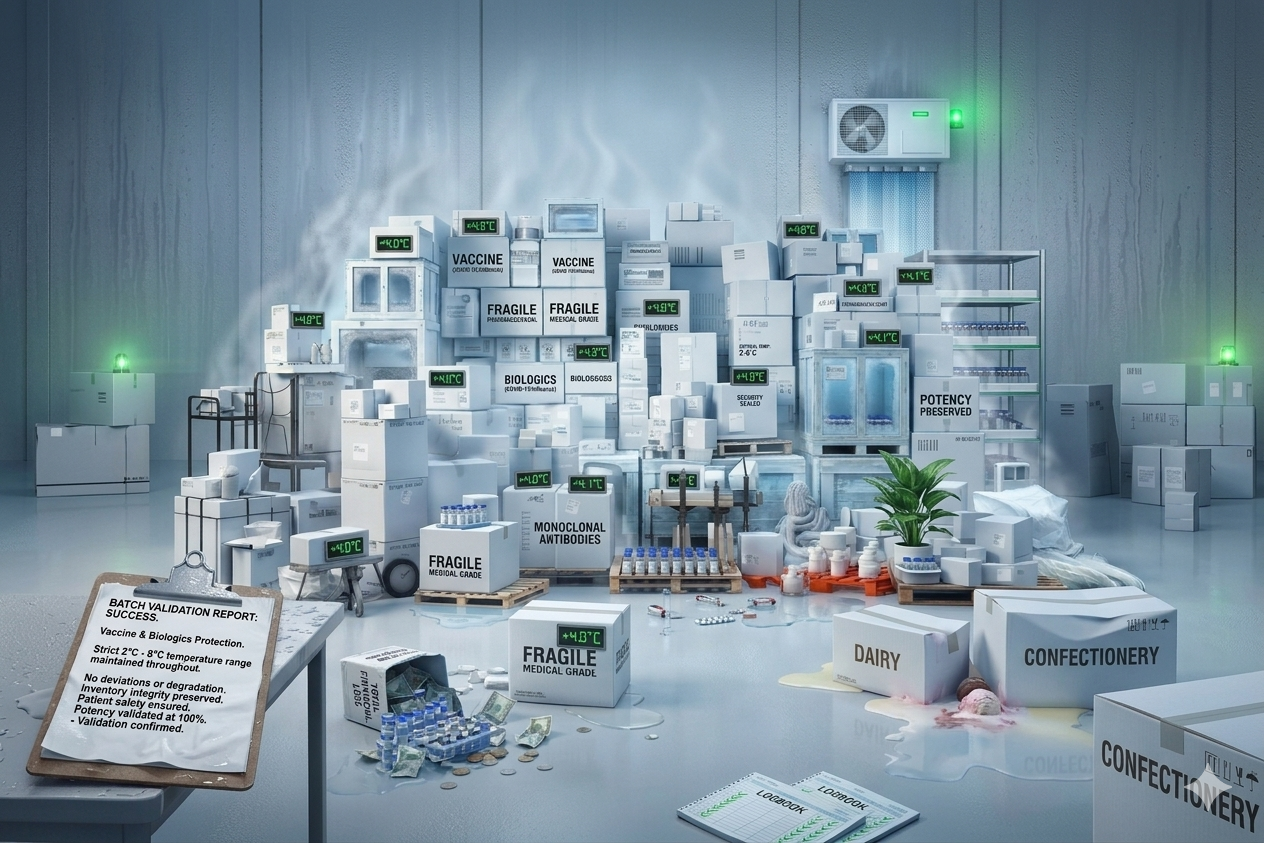
Effective monitoring ensures product quality, patient safety, and complete traceability across the pharmaceutical supply chain.
Key Challenges in Cold Chain Management
Lack of Real-Time Visibility
Traditional monitoring systems often lack real-time visibility, relying on delayed data retrieval. This prevents timely intervention during temperature excursions and increases the risk of product loss.
Manual Record Keeping
Manual record keeping remains a major challenge in pharmaceutical logistics. Paper-based logs are prone to errors, inconsistencies, and missing data, making them unreliable for audits.
Complex Supply Chains
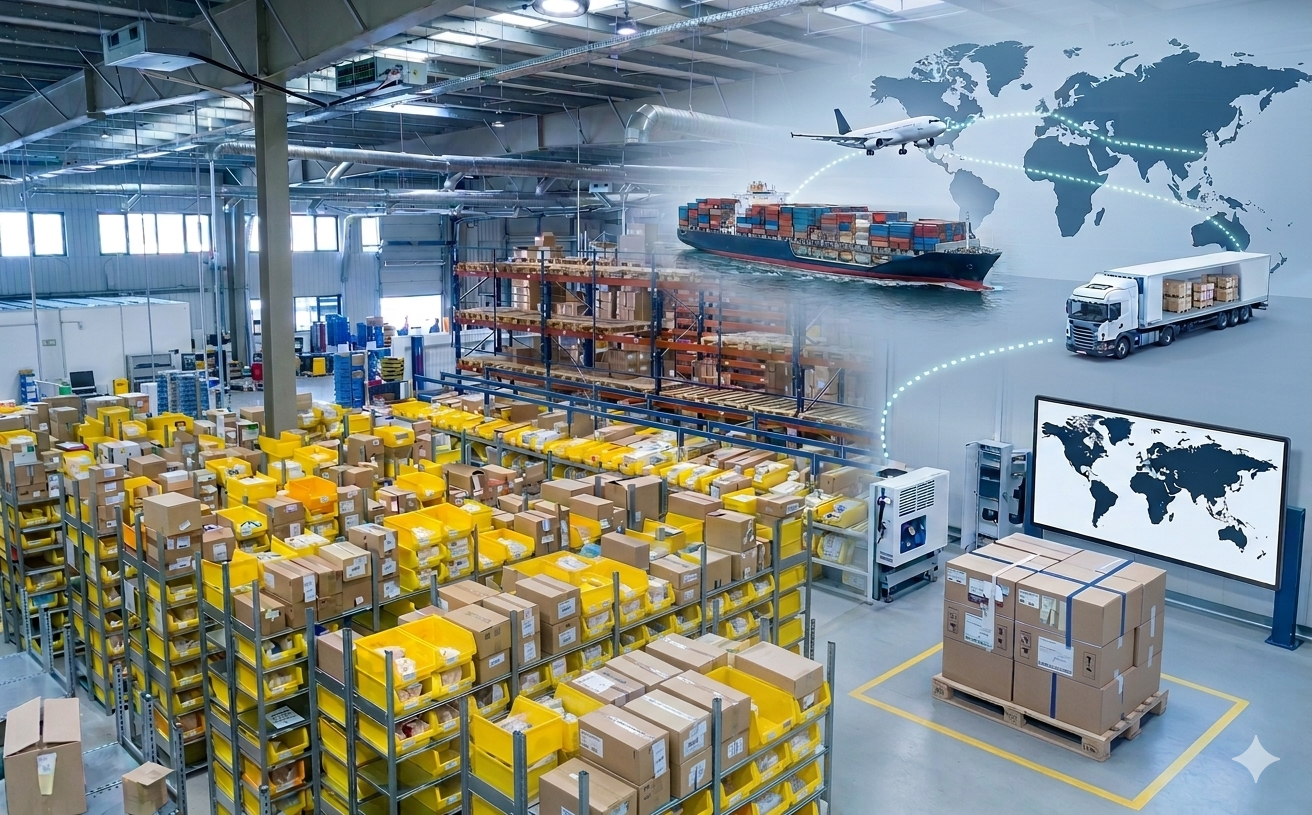
Pharmaceutical supply chains are highly complex, involving manufacturing, storage, transportation, and distribution across multiple locations. In India, over 70% of freight movement depends on road transport, increasing exposure to environmental risks.
How IoT Monitoring Solves These Challenges
Real-Time Monitoring
IoT-enabled cold chain monitoring systems provide continuous real-time visibility across the supply chain, enabling proactive risk management and ensuring temperature compliance.
Automated Alerts
Automated alerts notify stakeholders instantly when deviations occur, significantly reducing response time and preventing large-scale product loss.
Data Logging & Reporting
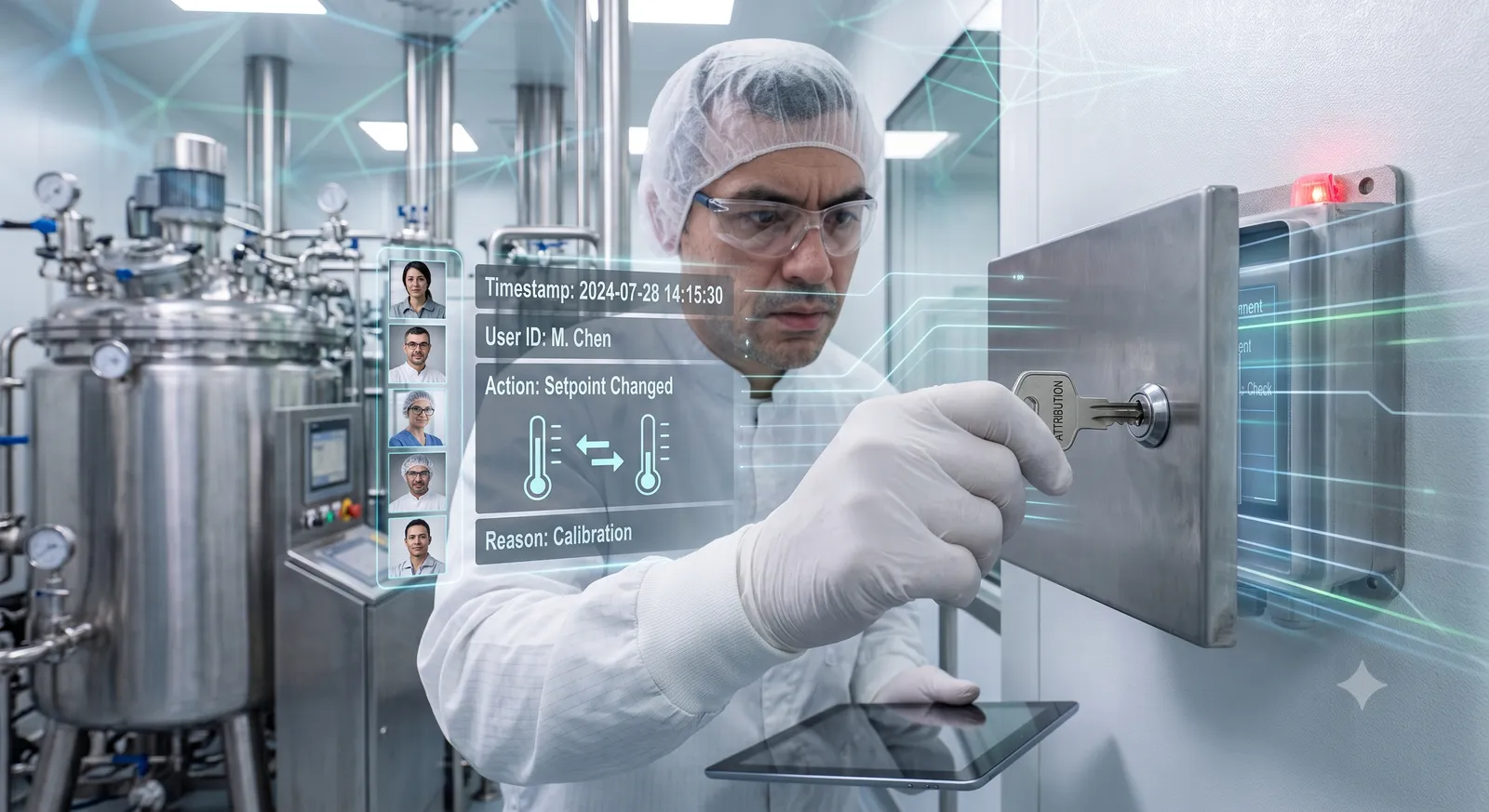
IoT systems automate data logging and reporting, ensuring accuracy and compliance. These digital records are secure, tamper-proof, and easily accessible for audits.
Mindlabs Cold Chain Monitoring Devices
Mindlabs Anchor (Facility Monitoring)
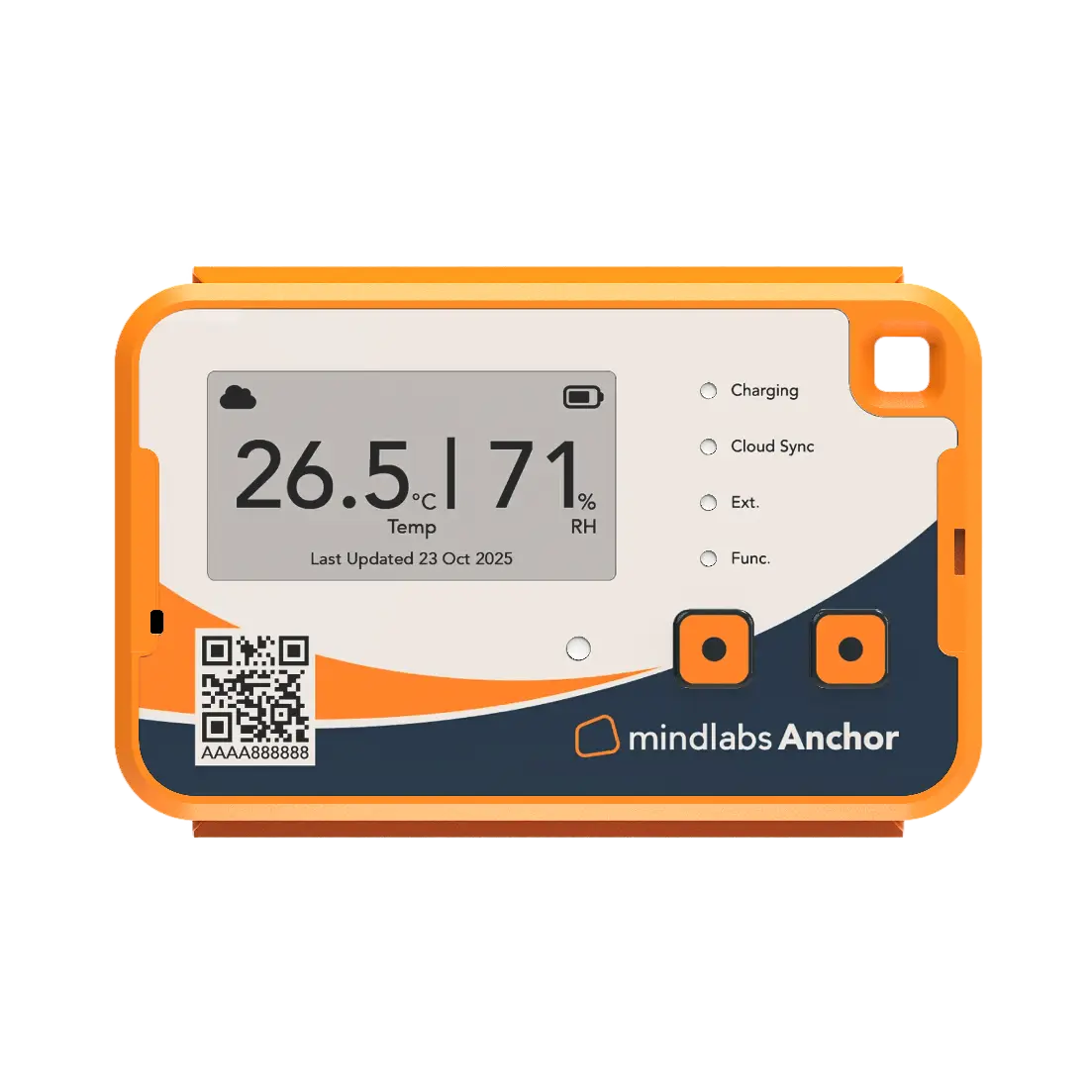
Mindlabs Anchor provides real-time temperature and humidity monitoring for pharmaceutical facilities such as cold rooms, warehouses, and laboratories. With 4G and Wi-Fi connectivity, it ensures continuous visibility and compliance-ready monitoring.
Mindlabs Go (Shipment Tracking)
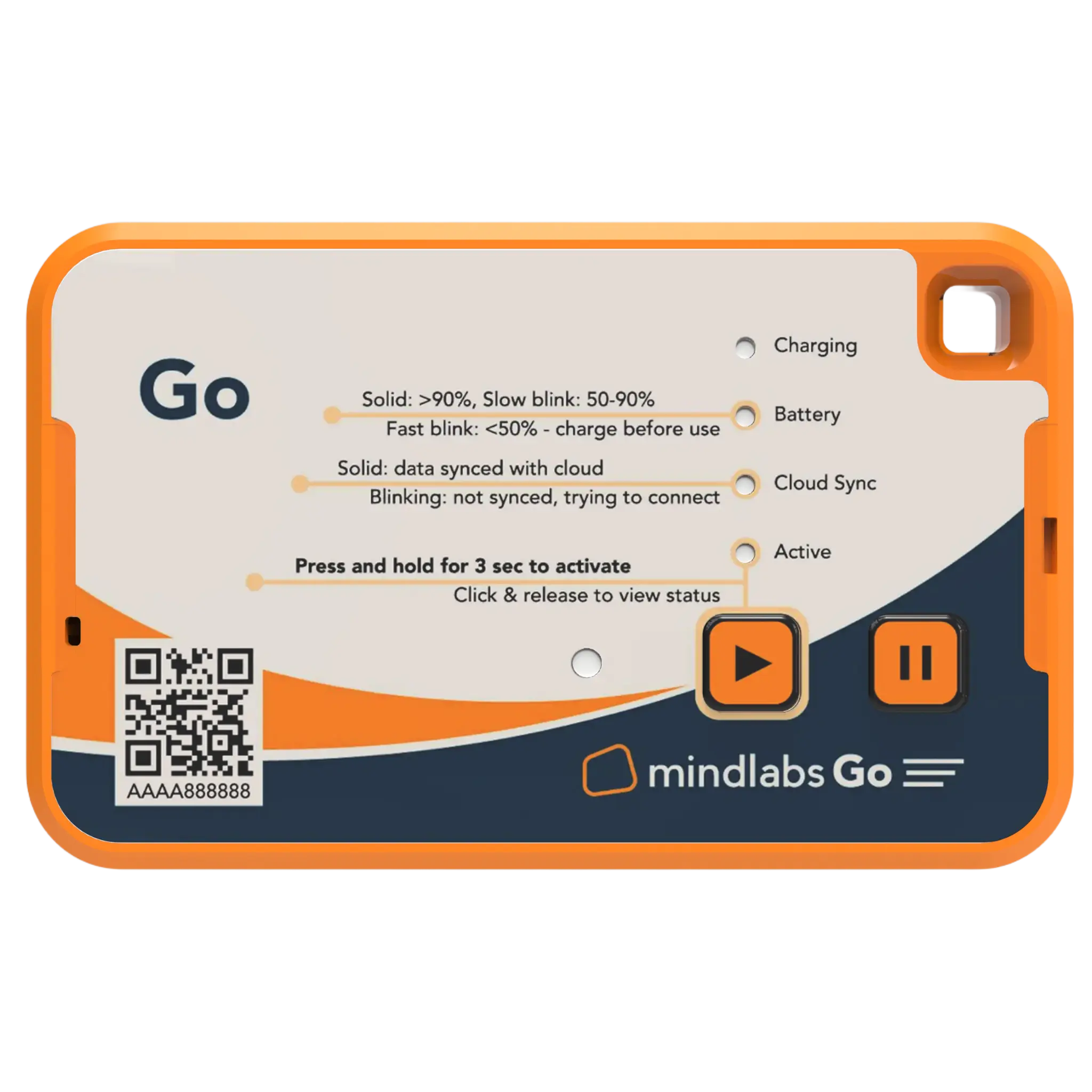
Mindlabs Go enables real-time shipment tracking by combining temperature monitoring with location tracking. It ensures that pharmaceutical products remain within safe temperature ranges during transit.
Mindlabs LitePlus (Data Logger)
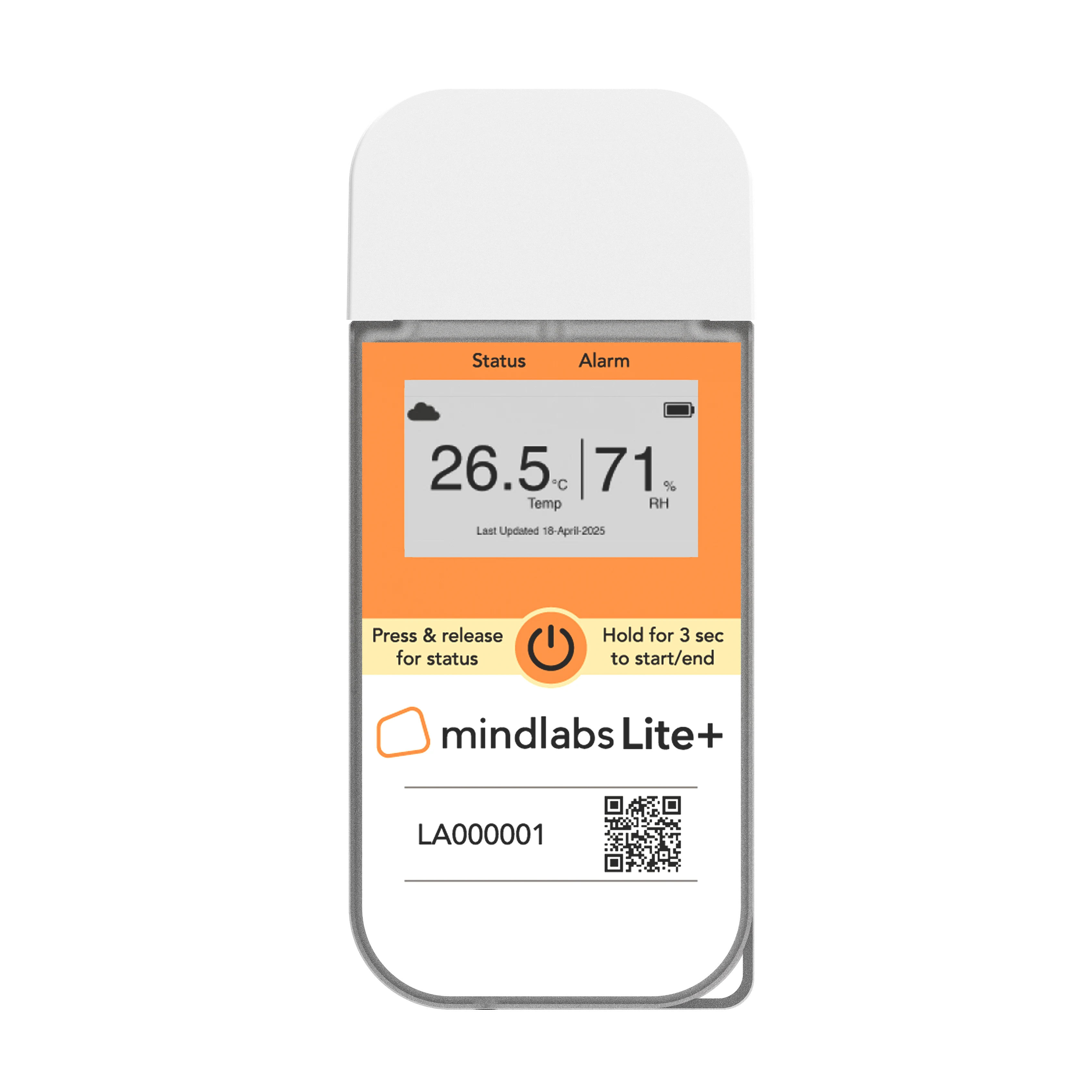
Mindlabs LitePlus is designed for long-duration monitoring with offline data logging and automated report generation. Its airline-approved design makes it suitable for air cargo shipments.
Key Features to Look For
An effective cold chain monitoring system should include real-time temperature tracking, automated alerts, centralized dashboards, and secure data logging. These capabilities are essential for ensuring compliance, improving efficiency, and maintaining product quality.
Best Practices
Monitoring Setup
A robust monitoring setup requires installing sensors in all critical points such as cold rooms, refrigeration units, transport containers, and warehouses to ensure complete visibility.
Compliance Documentation
Maintaining accurate documentation, including temperature logs, calibration records, and alarm histories, is essential for meeting GDP and CDSCO compliance requirements.
Operational Monitoring
Organizations should establish standard operating procedures, train staff, and conduct regular maintenance to ensure reliable system performance.
Key Benefits
Advanced cold chain monitoring systems improve regulatory compliance, reduce product loss, enhance visibility across pharmaceutical logistics, and simplify audit processes.
See Mindlabs' cold chain monitoring solution and 21 CFR Part 11 compliant monitoring for GDP-regulated pharma facilities.
Conclusion
Cold chain monitoring is a critical component of pharmaceutical logistics, ensuring that temperature-sensitive products maintain their safety, quality, and efficacy throughout the supply chain.
With increasing regulatory scrutiny and growing complexity in global distribution, IoT-enabled monitoring systems provide the real-time visibility, automation, and reliability required to achieve GDP compliance. By adopting these systems, pharmaceutical companies can reduce risks, improve efficiency, and ensure that life-saving medicines reach patients safely.